Lights Out
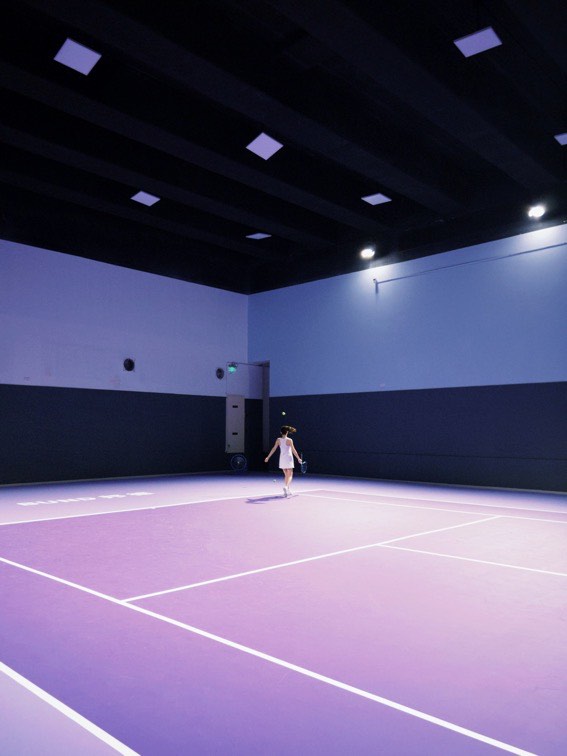
Here's a small moment that says everything. It's late. The tennis courts are empty. The lights are on. You walk up with your racket and ask if you can play — no one's waiting, no one's booked, it costs them nothing extra. They say no. They turn off the lights anyway. Not out of malice. Out of order. Because free sets a precedent. Because precedent breaks a system. Because the system, once you look at it honestly, was never really about courts or lights or tennis. It was about making sure value only flows when someone pays for it — even when there's nothing left to lose by letting it flow freely. John Steinbeck wrote about farmers pouring milk into ditches while children went hungry nearby. Not cruelty. Economics. The milk had to be destroyed to keep prices from collapsing. The logic was airtight. The humanity leaked out somewhere along the way. That's the quiet violence of market order — it doesn't need villains. It just needs everyone to follow the rules. And the rules say: if you give it away once, you give it away forever. So they turn off the lights. And you go home. And the courts sit dark and empty, perfectly maintained, serving no one — which is somehow better than serving you for free.